Mission Statement

At the point of my hiring, Tricentis had been appraised for it's technical capabilities as the market leader in test automation for the 4th year consecutively. However, when it came to its user experience, the product struggled to keep up with it's competition, therefore risking to lose its competitive advantage. In an effort to improve upon this situation, I joined a freshly founded UX team consisting of 2 people, with the mission to bring the usability and enjoyability on par with it's technical capabilities.

Challenges

High Complexity

The software had two decades of development history without any dedicated UX efforts, making it challenging for even the most seasoned employees to grasp the complexity of the whole product.

Resource constraints

We had more than 25 development teams to take care of, spread across the whole globe, each of which was on a tight schedule to deliver new features

Limited Designspace

Our teams were mostly focused on backend development, with our frontend efforts mostly built with WinForms

Strategy

A voice for the user

We would establish a more user centric culture at the company, providing our stakeholders with user research, in order to drive our product decisions by actual customer demands.

🕵️ explore further

Building Trust

We wanted to raise the awareness for the responsibilities of our department among our stakeholders. Showing our potential would not only raise the trust, but also a sense of utility.

👩‍🚀 explore further

One source to rule...

Setting up a Design System would both ensure consistency across the product suite and make development of new interfaces less demanding.

🧑‍🔬 explore further

A voice for the user

Regular Interviews

In order to include the customers perspective into our product decisions, we started facilitating regular customer interviews, giving us crucial insights into demands and potential pitfals. This was especially important during the redesign of our Service Virtualisation, where a major painpoint was the lack of a dashboard providing an exhaustive overview.

Usability Tests

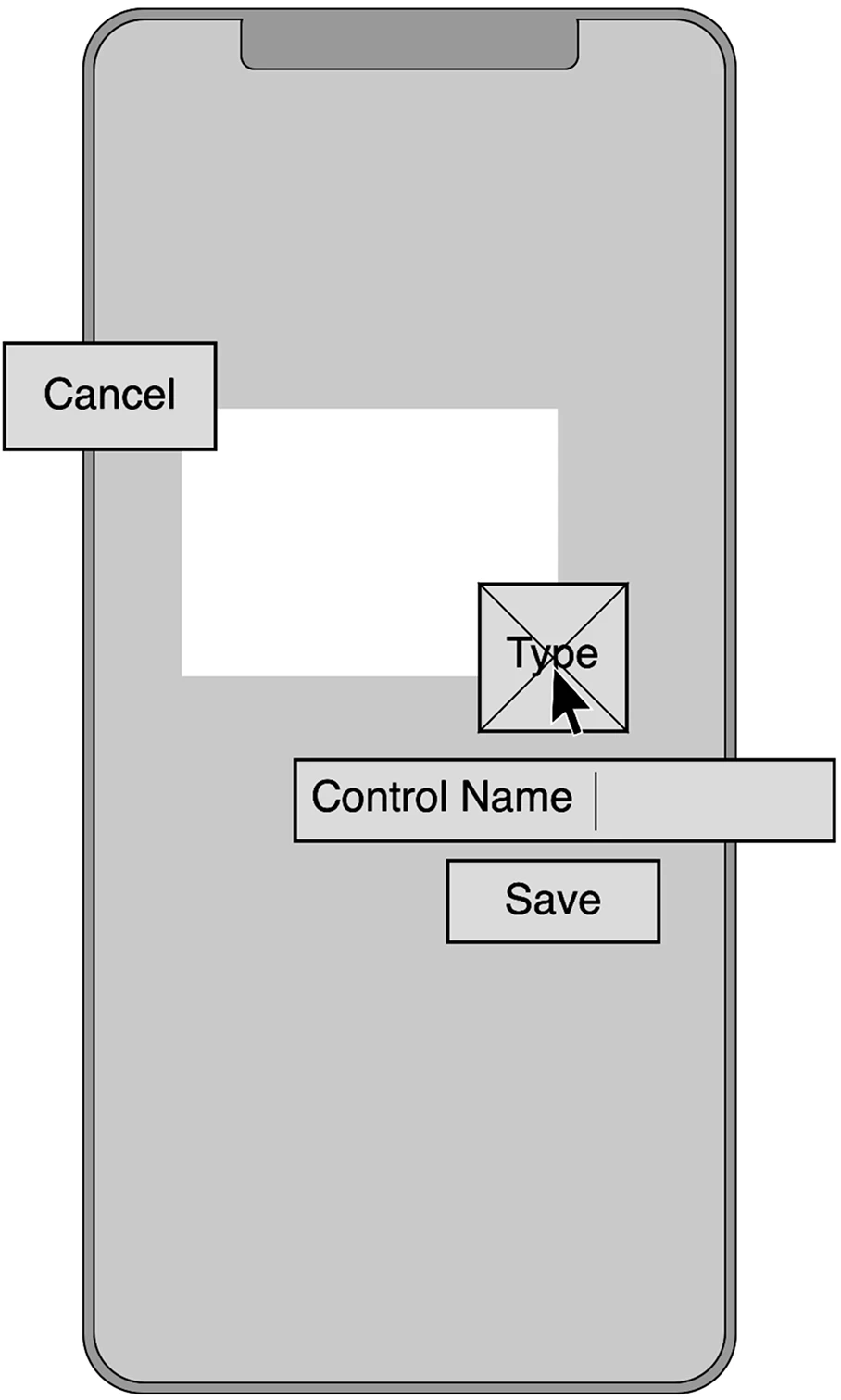
One of my main projects was redesigning our mobile testing framework, which was lacking in user adoption. When designing an identification feature for UI elements on mobile apps, user tests showed that participants were struggling with the initial prototypes, since the workflow was exposed only step by step, therefore lacking feedforward. I adressed this feedback in the final prototype, giving the users a much more concise user flow.

Internal A/B Tests

During the design of our cloud testing feature, we needed a way to communicate the different states of the remote machines running those tests. We presented a set of newly designed icons to our test candidates and made them pick their favorite for each machine state. Afterwards, we ran a company internal A/B test, where we checked which version was the most conscise one.

Customer surveys

In order to guide or long term strategies, we used opportunities like our annual Accelerate conference to gain insights into our customer's desires. We had multiple surveys ready, one of them UX related. We also had an interactive wordcloud where users could input the one thing that bugged them the most about the user experience. This collaborative experience helped us to identify the major pain points.

Building Trust

Consulting Product

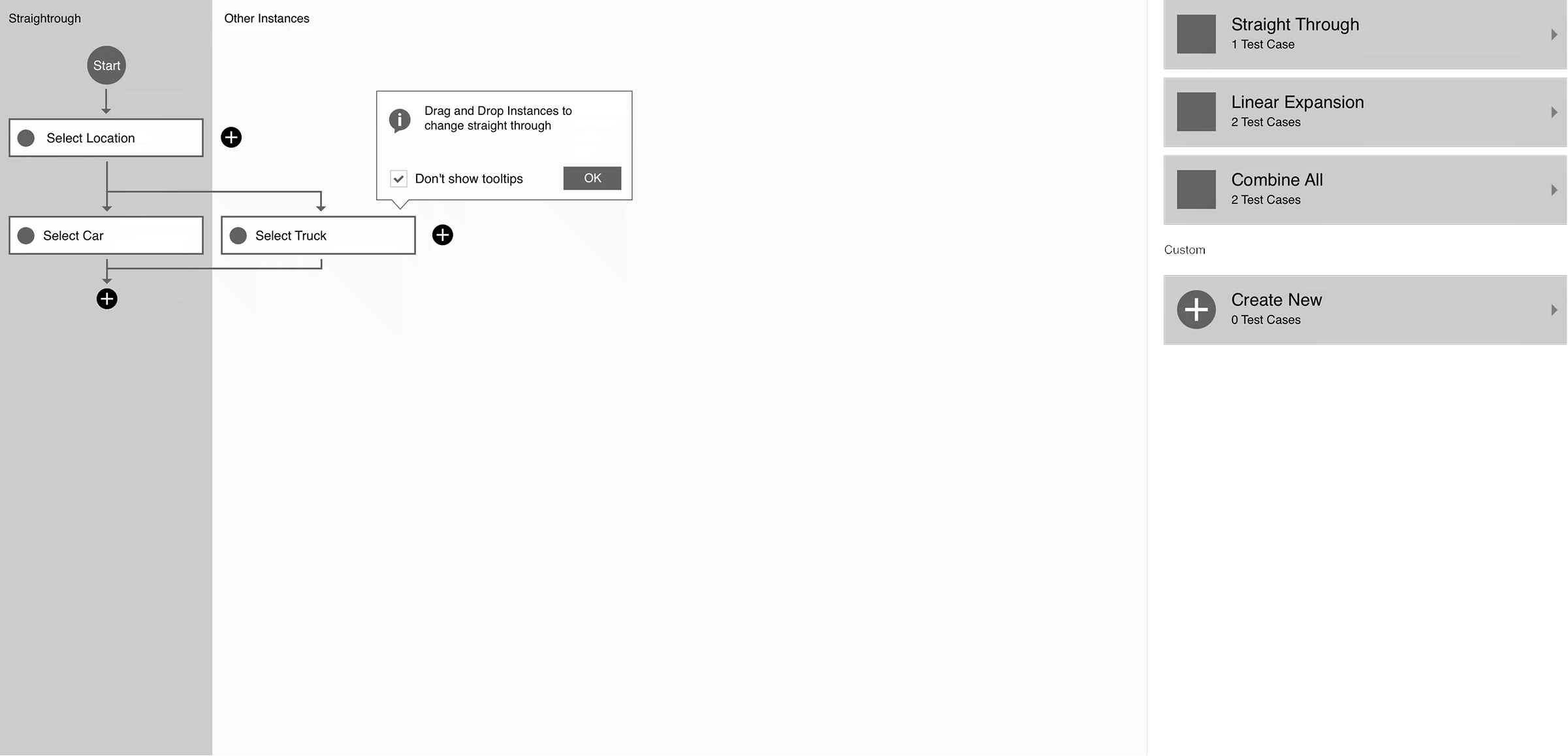
Our product management started with the impression that our primary responsibility is to provide them with UI mockups. Consulting them in the earlier product stages helped us to build more trust and demand for less mature artifacts like flow diagrams and wireframes.

Sometimes I just need quick consultation, but you immediately jump into full blown out solutions...

You guys don't sit with us in the same room, which makes it very difficult to iterate and exchange

Having a UX department is nice and all, but now that we involve you directly, we need more of you

Gosh, those UX'ers

The cooperation with the product managment started of very challenging. Since the UX department had just been freshly established, there was a lot of friction with the when and how to involve the team. I was leading a series of deep listening sessions with our key stakeholders, which helped us to identify many painpoints and opportunities to improve our collaboration.

Design + Dev Sessions

In the beginning, the developers had difficulties to keep the implementation close to the concept. Sometimes it simply wasn't possible due to technical constraints. Working closely together with them helped them to understand the importance of the design details and judge for themselves how to achieve the best compromise between concept and feasability. This was especially important during the reskin of our product suite.

One source to rule...

Consistency is king

The product had a lot of inconsistencies. Many components have been implemented by each team in their own way, in other cases legacy parts of the UI stood out from the newer parts. Implementing a design system not only helped us to achieve a more consistent look across the product, but ultimately allowed us to build more complex UIs with less effort, giving us more creative space for more elaborated visuals.

The result

Growing our Team

Over time we were able to convince our stakeholders piece by piece with our results. As the demand rose, so did the pressure towards the managment to . By the time I left the company, our team had doubled its size.

Redesign of Tosca

As we gained more stakeholder buy-in, we were involved at earlier stages of the product planing. In the end, as the management decided to move parts of our product into the cloud, we were entrusted with the task to completely redesign these product areas utilising modern web technologies and provide the company with our vision how these might work like.

During my time as a Product Owner at Tricentis, Michal's contributions to Tricentis significantly improved its product's UX. He was great at coming up with elegant solutions for a B2B product that was very complex. No matter what you threw at him, he figured it out, challenged the right things, and did all of this with a smile!

Arlindo Lima

Jealous?

No need to be! I got all the resources to make your project just as awesome and beyond! How about we have a short talk and exchange about your requirements?

Let's talk!

Ready to
level up?

Maturity Check

9 points required to pass

How can design boost your revenue? (7 pts)

0 pts

It can facilitate buy-in of political stakeholders

It can improve my conversion during onboarding

It can maximise the turnaround of key journeys

It can be the USP of my services

It can reduce the development effort

It can make me avoid compliance violations

It can help promise features that don't yet exist

It can exploit addictive patterns of humans

It can reduce operational costs

It can attract better talent into my company

It can change my users personal preferences

It can stop pesky customer support requests

It can boost retention and customer loyalty

It can save the lifes of my customers

What makes great designs stand out? (4 pts)

0 pts

Can an Ai create great designs? (4 pts)

0 pts